On/Off/Dim

Bluetooth Wireless Controls for Simple Lighting Solutions

Bluetooth Wireless Controls for Lighting Solutions with HVAC and/or BMS Integration
Learn about our brand's story, vision, mission, and values
Looking for an exciting opportunity? Join our team!
Fill out a form to open a credit account with us
Find legal information about our policies, procedures, freight, payment terms, etc
Win a Corvette by buying Linmore products

On/Off/Dim

Bluetooth Wireless Controls for Simple Lighting Solutions

Bluetooth Wireless Controls for Lighting Solutions with HVAC and/or BMS Integration
Learn about our brand's story, vision, mission, and values
Looking for an exciting opportunity? Join our team!
Fill out a form to open a credit account with us
Find legal information about our policies, procedures, freight, payment terms, etc
Win a Corvette by buying Linmore products
The rink has reduced its maintenance budget by some $200 to $400 a month by eliminating the need to rent a lift since LEDs last for years. The facility’s energy bill has reduced, dropping some $700 a month, allowing the rink to cut bills annually by an estimated $8,400. Coupled with the maintenance savings, the switch to LEDs is saving the organization a conservative $12,000 annually.”
Chris Brodzinski, CO Rink Manager
The NoCo Ice Rink was built in 1999. The 18-year-old facility continuously had problems with its metal halide lighting, which was draining the nonprofit’s budget. In mid-2016, the facility installed Flex Lighting Solutions High Bay LEDs, allowing them to brighten the facility while lowering operating costs.
Every time a light went out at the Northern Colorado Ice Center in Fort Collins, CO rink manager Chris Brodzinski had to rent a lift. He also had to find a parent who was an electrician to rewire ballasts – a move to save money since the rink is owned by a nonprofit – or hire an electrician to do the job. He also had to cancel ice time if the rink was rented.
“We were constantly spending more money to maintain the lights and running into all kinds of issues,” Brodzinski says. When a metal halide light went out, it cast a dark shadow on the rink, which was already dim as the lights only provided a footcandle reading of 27.5 to 32.8. The lights needed to be replaced immediately for safety reasons. Replacements didn’t always emit the same light, and some would burn in, becoming much brighter than the lights next to them, creating a patchwork of different lighting levels and colors.
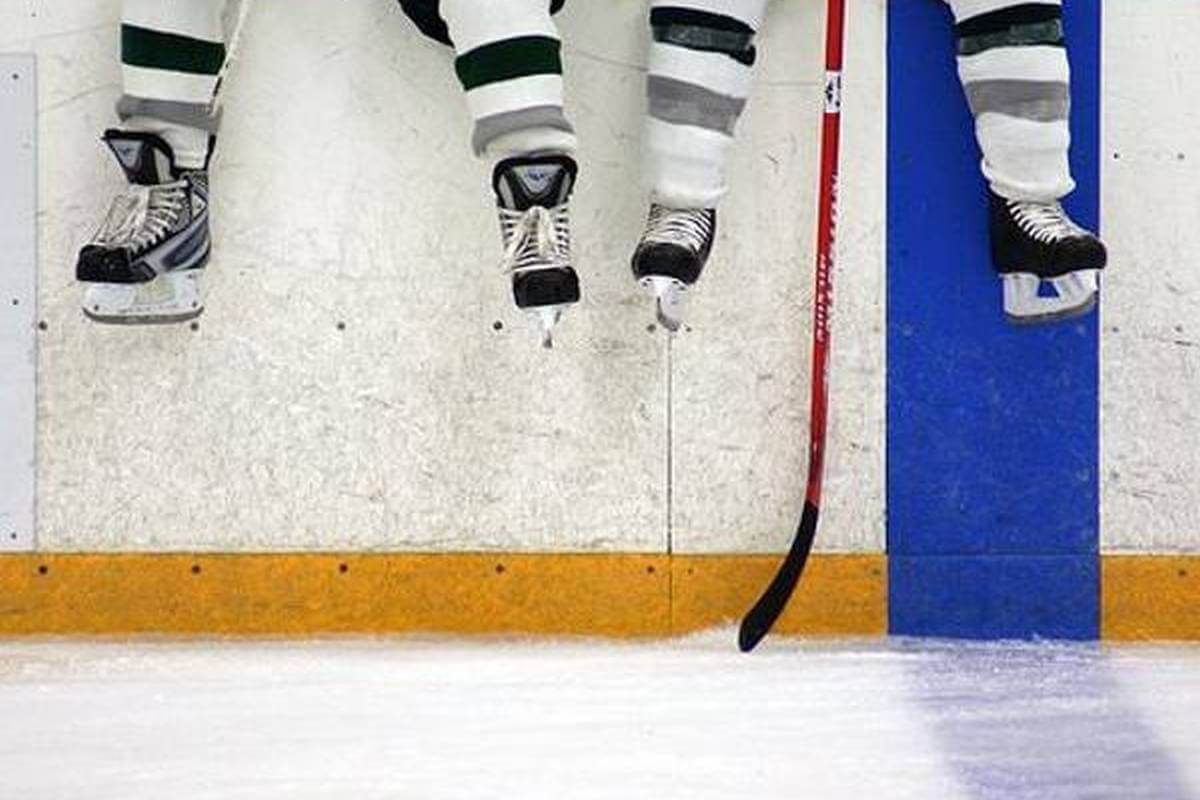
Since the rink is used some 20 hours a day all year round by more than 550 youth hockey players and another 300 adult players, the lost revenue was meaningful.

LED High Bays
Chris Brodzinski, CO Rink Manager
When Ally Energy finished installing the lights in mid-2016, players, parents and visiting coaches commented on how much brighter the rink was. “The second they walked in they said, “’Wow, this building looks bright and crisp. Thank you for bringing us to the next level.’ This was one item they could feel a part of since they helped contribute to the lights,” Brodzinski says.
The rink’s capital budget is made up from fees assessed to each player of Northern Colorado Youth Hockey, he explains, and often it was hard for families to identify with the money the nonprofit spent on increased refrigeration or less visible maintenance.
The rink has reduced its maintenance budget by some $200 to $400 a month by eliminating the need to rent a lift since LEDs last for years. The facility’s energy bill has reduced, dropping some $700 a month, allowing the rink to cut bills annually by an estimated $8,400. Coupled with the maintenance savings, the switch to LEDs is saving the organization a conservative $12,000 annually.
The rink’s lighting controls, installed and programmed by Ally Energy, have further reduced its energy costs while adding flexibility. “I can turn on or off each individual light, dim each one or just illuminate the flag during the national anthem,” Brodzinski says. “Typically we run at 80 percent and still get double the foot candles. I dim them to 40 percent for practices and 10 percent during scheduled maintenance.”
“We now have some really clean, crisp lights,” he adds. “We didn’t realize how dingy some areas were because the metal halides had such a yellow glow. We actually had to paint some walls because we could see how dirty they were.”
Brodzinski is now working with Ally Energy to switching the parking lot lights to LEDs and analyzing the entire facility to see where they can afford to make additional energy saving measures. “They are a great company to work with,” he says.
As a member of the Rocky Mountain Rink Association, Brodzinski is spreading the word about his Flex LEDs. “I’ve told them that LEDs will change the dynamics of their hockey, will draw more people in and it will lower their energy costs. It’s really a no brainer.”